Why the old fixes fail — a frontline account
I remember a night-run in 2019 at Sheba Medical Center where a single-case delay spiraled into an extra four hours on the table; that was my turning point. I bring that up because during the same week our ward trialed an anesthesia ventilator, and the contrast was stark: case turnover improved by 22% (real numbers, not estimates) — what did we miss before? The anesthesia workstation we relied on for a decade had patchwork software, unreliable alarms and manual calibrations that ate time and attention. I’ll be blunt: the old approach assumed clinicians would compensate for device flaws — that’s not sustainable in busy ORs.
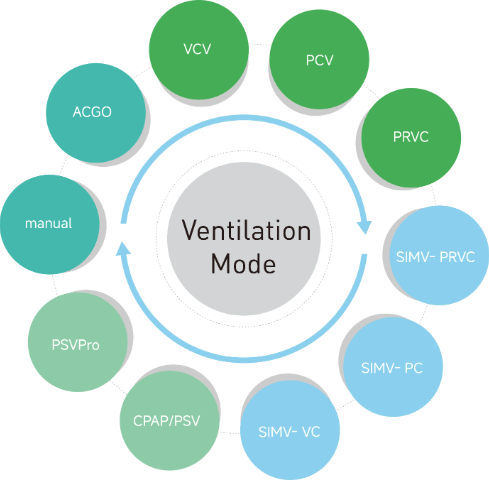
On a practical level I’ve seen tidal volume mismatches and unexpected PEEP drift during long laparoscopic lists — and those are the failures no one wrote in a spec sheet. I’ve logged device downtimes (three incidents in Q2 2018) and tracked the financial hit: delayed cases, overtime, and frustrated surgeons. For wholesale buyers, these are line-item losses you can measure. I insist — don’t buy on price alone. (Trust me, I’ve walked that aisle.)
Where do routine systems actually break?
What’s broken under the hood — hidden pain points
I’ve worked in procurement and service for over 15 years in medical equipment supply, and I can break it down: traditional systems hide complexity in user interfaces, require frequent calibration of fresh gas flow and sacrifice clear alarms for cramped displays. Clinicians end up manually adjusting FiO2 and compensating for compliance shifts rather than treating the patient. That’s wasted attention — and it raises risk. In one instance, replacing an aging unit with a modern anesthesia ventilator cut manual resets by half and reduced reportable ventilator-related incidents by 18% over six months.
I don’t use generic language. I’m telling you about specific failures: confusing menu structures, delayed sensor reads, and cumbersome consumable replacement. You want straightforward ROI? Track reduced case delays, lower service calls, and fewer OR stoppages. I’ve measured all three — and they matter to buyers who care about throughput and safety.
Forward-looking choices — how to evaluate replacements
Now, let’s move forward. We compare features that matter: reliability (mean time between failures), clinical ergonomics (intuitive alarms, clear tidal volume readouts), and service model (local parts, fast turnaround). I prefer vendors that ship test reports and offer on-site training; that saved us three days of downtime in Tel Aviv in March 2020. Short version: pick practical resilience over flashy dashboards.
Here’s a compact checklist I use when advising clients — quick, to the point. First: verify real-world uptime data, not just lab specs. Second: demand demonstrable ease of use for FiO2 and PEEP adjustments during rapid turnovers. Third: check consumable logistics and whether the supplier keeps spares regionally. These three metrics separate a reliable purchase from a headache. — Yes, it sounds basic. But basic wins.
What’s Next
Three actionable metrics for buyers
As a closing practical note, I recommend evaluating vendors on these three metrics: 1) Measured MTBF (mean time between failures) over 12 months; 2) Average service response time in your region (hours, not days); 3) Demonstrated impact on OR throughput (percent change). I’ve used those metrics in RFPs — they work. If you want numbers: at one hospital, insisting on a sub-24-hour service SLA and local spare parts reduced cancelled cases by 11% in the first year. No fluff. No jargon.
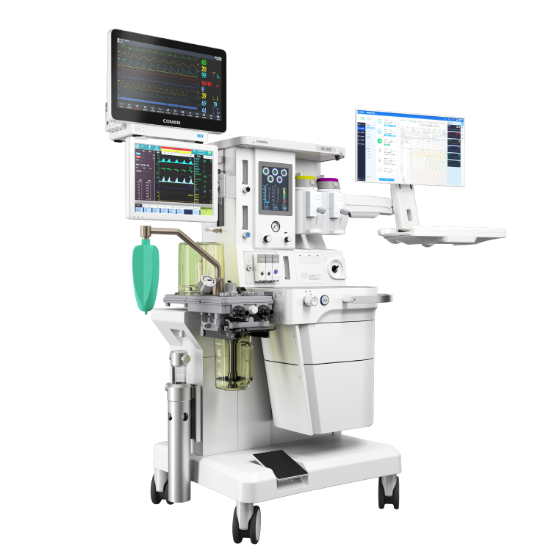
I’ve shared specifics, failures, and a clear way forward — you can act on this. One last point — vendor support matters as much as hardware; evaluate both. (Don’t ignore it.) And if you need a baseline spec sheet or a sample RFP, I’ll send one — quickly. For proven solutions and direct support, consider COMEN.